An evaporator is an important component of an air conditioning system, used for cooling in air conditioners, refrigerators, and refrigeration systems. It absorbs heat from the surrounding air or liquid, which results in cooling.
In this article, you will learn what an evaporator is, how it works, its primary functions, the different types of evaporators, and where they are used.
What is Evaporator in HVAC System
An evaporator in HVAC is a heat exchanger that takes heat out of the air or water that needs to be cooled. It is one of the main parts of an air conditioning system because this is where the cooling process starts.
In simple words, the evaporator removes heat from the room. For example, when you turn on a split AC, warm air from the room passes over the cold evaporator coil. The refrigerant inside the coil absorbs the heat from the air. The air becomes cooler and is then blown back into the room.
What Is the Main Purpose of an Evaporator in HVAC?
The main job of an evaporator is to absorb heat. It takes unwanted heat from the room, air, or water and transfers that heat to the refrigerant. For example, in a split AC, the evaporator coil is inside the indoor unit. The indoor fan pulls warm room air through the coil. As the air passes over the cold coil, its heat is absorbed by the refrigerant.
Warm room air → Evaporator coil → Heat is absorbed → Cool air
How Does Heat Absorption Take Place?
The refrigerant inside the evaporator is at a low pressure and low temperature. When warm air passes over the evaporator coil, heat naturally moves from the warmer air to the colder refrigerant. The refrigerant absorbs this heat and starts changing from a liquid or liquid-vapor mixture into vapor. This is why it is called an evaporator.
What Is the Role of Refrigerant?
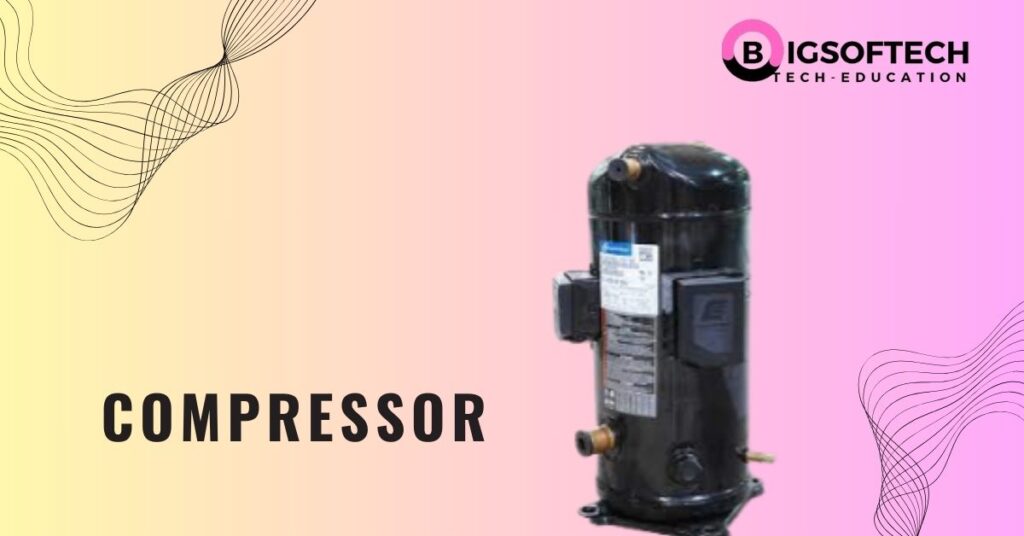
The refrigerant acts like a carrier of heat. It absorbs heat inside the evaporator and carries that heat to the compressor and then to the condenser, where the heat is released outside.
The basic cooling process is:
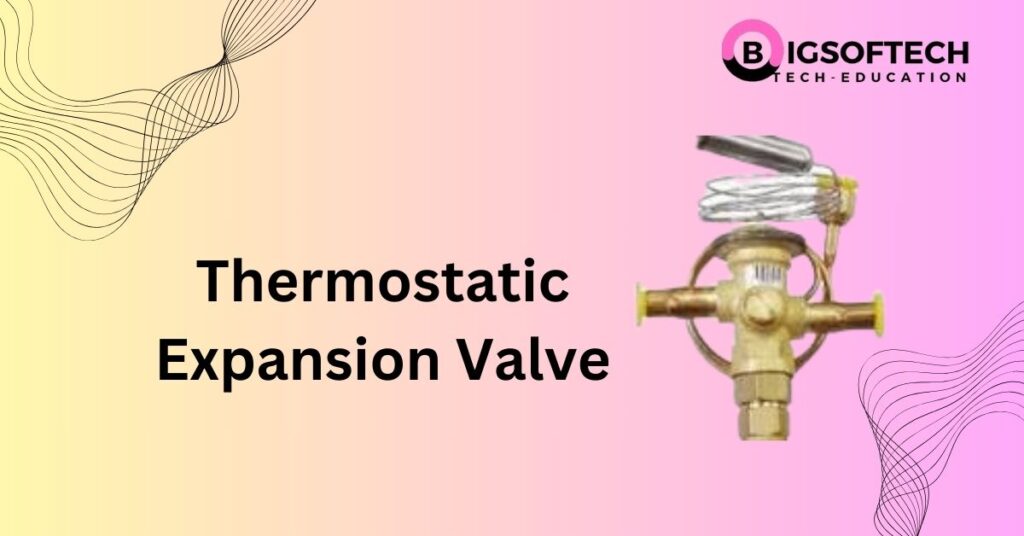
Expansion Device → Evaporator → Compressor → Condenser → Expansion Device
So, in simple terms, the evaporator absorbs heat, the refrigerant carries the heat, and the condenser releases the heat outside.
That is why the evaporator is such an important part of an HVAC system. Without it, the air conditioner would not be able to remove heat from the room and provide cooling.
Important Topic
How Does an HVAC Evaporator Work?
The evaporator works by using a cooling liquid called refrigerant to remove heat from the air inside your home or office. Here’s a step-by-step explanation of how it works:
Step-by-Step Working Process:
Warm air enters the indoor unit: The HVAC system pulls warm air from the room using a fan.
Air passes over cold evaporator coils: Inside the coils is a cold refrigerant. As the warm air touches these coils, the refrigerant absorbs the heat.
Refrigerant changes from liquid to gas: When it absorbs heat, the refrigerant turns into gas. This is called evaporation, which is where the term “evaporator” comes from.
Cool air is blown back into the room: After losing its heat, the now-cool air is pushed back into the room through the vents.
The gas refrigerant moves to the compressor: The gas travels to the outdoor unit, where the compressor and condenser get it ready to repeat the cycle.
Heat Exchange Made Simple:
Think of the evaporator as a sponge that soaks up heat from the air. The refrigerant inside acts like the sponge water that soaks up the heat and carries it away. This is how your room gets cooler.
Main Components of an HVAC Evaporator
To understand how an evaporator works better, let’s look at its main parts. Each component plays an important role in making sure your HVAC system cools the air properly.
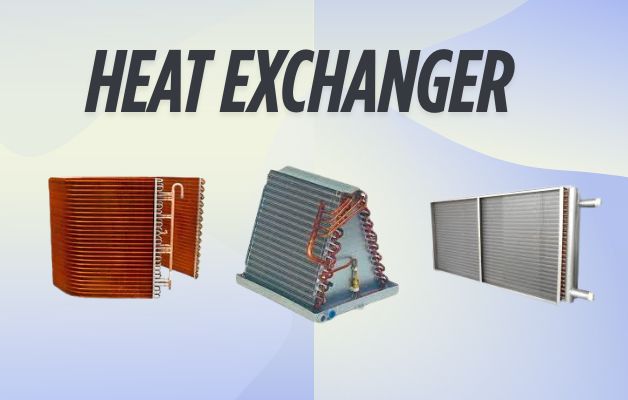
1. Evaporator Coil
This is the most important part. It’s a set of metal tubes (usually made of copper or aluminum) that hold the cold refrigerant. When warm air blows over these coils, the refrigerant inside absorbs the heat and helps cool the air.
2. Blower Fan
The blower fan pushes warm air from the room over the evaporator coil and then blows the cooled air back into the room. Without this fan, the cooled air wouldn’t circulate.
3. Thermostat Sensor
This sensor checks the air temperature and signals the system to turn on or off depending on the desired temperature. It helps maintain consistent cooling.
4. Drain Pan
As the evaporator coil cools the air, moisture in the air condenses on the coil (like water droplets on a cold glass). The drain pan collects this water and sends it outside through a drain line, preventing leaks or water damage.
Types of Evaporators Used in HVAC Systems
There are different types of evaporators used in HVAC systems, and each type works a little differently depending on the system’s needs. Here are some common types:
1. Bare Tube Evaporator
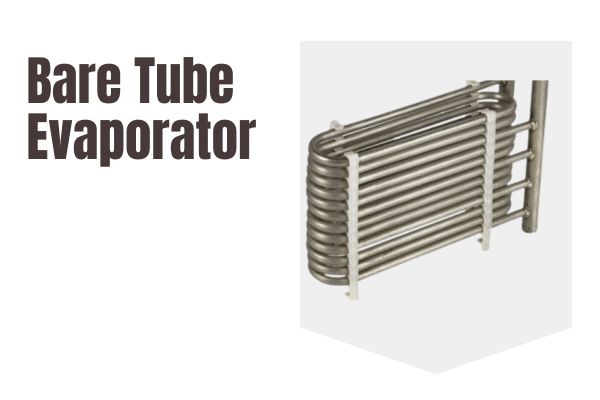
This type has simple metal tubes with refrigerant inside. Air flows directly over these tubes to cool down. It’s easy to clean but not very common in modern HVAC systems.
2. Finned Tube Evaporator
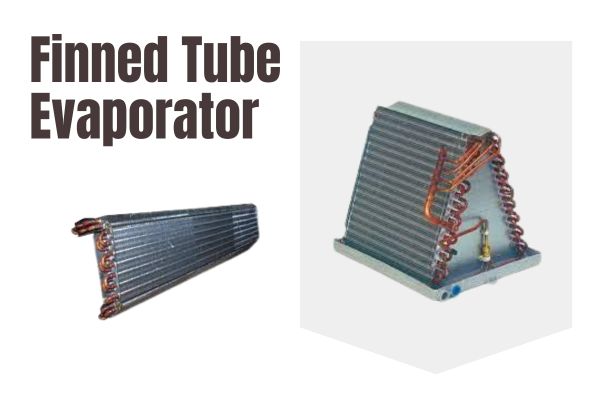
These evaporators have thin metal fins attached to the tubes. The fins increase the surface area so more air can touch the coils, making cooling more efficient. This type is very common in air conditioners.
3. Plate-Type Evaporator

Made of flat metal plates, this evaporator is compact and used in smaller cooling systems or refrigeration units.
4. Shell and Tube Evaporator
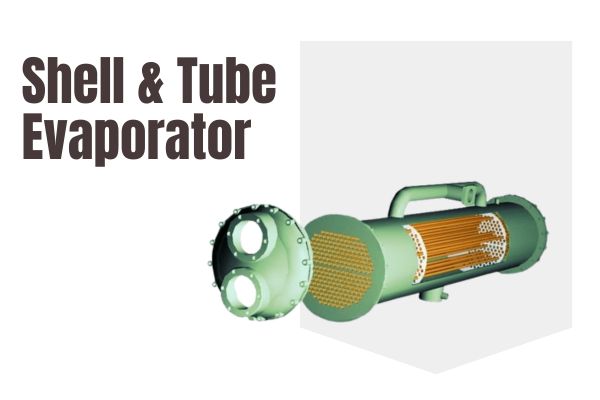
This type is used mostly in large industrial cooling systems. It has many tubes inside a larger shell and handles large amounts of refrigerant.
Common Applications of Evaporators in HVAC
Evaporators are used in many places to help keep the air cool and comfortable. Here are some common applications:
1. Residential Air Conditioners
Most homes use evaporators inside their air conditioning units to cool the indoor air and make living spaces comfortable.
2. Commercial HVAC Systems
Offices, shops, and other commercial buildings use larger evaporators as part of their air conditioning systems to cool bigger areas efficiently.
3. Refrigeration Systems
Evaporators are also used in refrigerators and freezers to remove heat and keep food cold and fresh.
4. Industrial Cooling Systems
Factories and large facilities use big evaporators to cool machines, products, or indoor air as part of their HVAC or refrigeration processes.
Difference Between Evaporator and Condenser
Both the evaporator and condenser are important parts of an HVAC system, but they do opposite jobs. Here’s how they differ:
Evaporator | Condenser |
Absorbs heat from indoor air | Releases heat to the outside air |
Located inside the building | Located outside the building |
Contains cold refrigerant coils | Contains hot refrigerant coils |
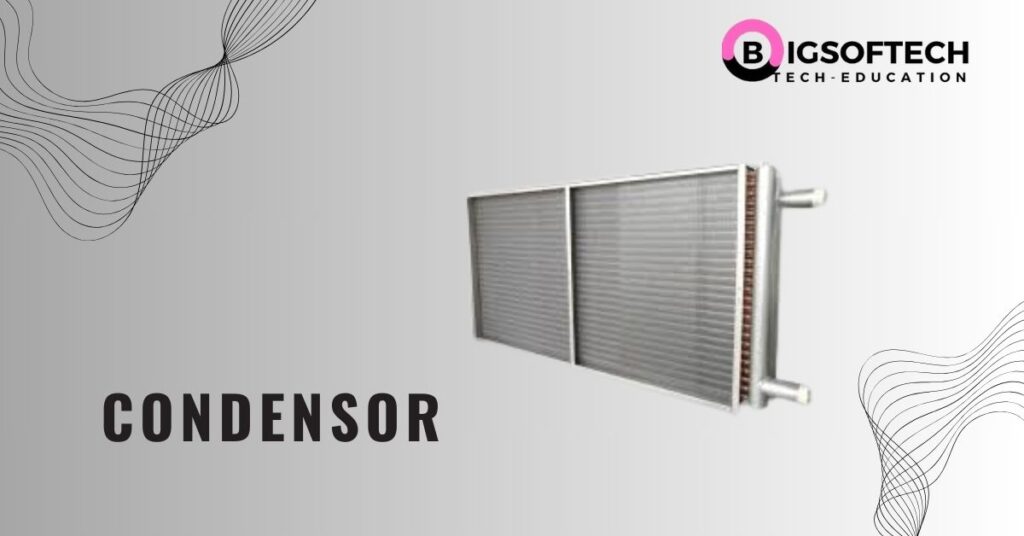
Turns refrigerant from liquid to gas | Turns refrigerant from gas back to liquid |
Common Problems and Maintenance Tips for Evaporators
Like any part of an HVAC system, the evaporator can run into problems. Knowing the signs early can help you avoid costly repairs.
Common Problems:
Ice Buildup on Coils
If the evaporator coil gets too cold or airflow is blocked, ice can form on the coil. This stops the system from cooling properly.
Dirty Coils
Dust and dirt can stick to the evaporator coil over time, making it hard to absorb heat. This reduces cooling efficiency.
Refrigerant Leak
If the refrigerant leaks from the coil, the system can’t absorb enough heat, and your air conditioner will blow warm air.
Blocked Airflow
Clogged air filters or broken fans can prevent warm air from reaching the coil, causing poor performance or freezing.
Unusual Noises
Hissing or bubbling sounds can be a sign of refrigerant leaks or air trapped inside the system.
Maintenance Tips:
- Clean or replace air filters regularly (every 1–2 months)
- Schedule professional maintenance at least once a year
- Keep the area around the indoor unit clean and dust-free
- Check for unusual noises or reduced cooling and call a technician if needed
- Never try to fix refrigerant issues yourself – always contact a licensed HVAC technician
Benefits of a Well-Functioning Evaporator
When your HVAC system’s evaporator is working properly, it brings many benefits to your home or office. Here’s what you can expect:
1. Better Cooling Performance
A clean and working evaporator cools your space faster and more evenly, giving you a comfortable environment.
2. Energy Efficiency
When the evaporator is clean and running well, your HVAC system doesn’t have to work as hard. This means lower electricity bills.
3. Longer Life of the HVAC System
Taking care of the evaporator helps the entire HVAC system last longer, reducing the need for repairs or early replacements.
4. Improved Air Quality
A clean evaporator coil means cleaner air is being circulated, which can reduce dust, humidity, and allergens indoors.
5. Fewer Breakdowns
Regular maintenance of the evaporator helps prevent sudden issues, saving you money and stress.
In short, keeping your evaporator in good condition helps your cooling system run better, last longer, and save you money.
Conclusion
Now you know what is evaporator in HVAC, how it works, and why it’s such an important part of any cooling system. The evaporator absorbs heat from the indoor air, helping your air conditioner cool your home or office effectively. It works together with the blower fan, refrigerant, and other HVAC parts to keep your environment comfortable.
We also covered the different types of evaporators, where they are used, how they differ from condensers, common problems, and simple maintenance tips to keep them running smoothly.
By understanding how the evaporator works, you can take better care of your HVAC system, save on energy bills, and enjoy cleaner, cooler air all year round
Frequently Asked Questions (FAQs)
Q1: What is the difference between an evaporator and a condenser?
Answer: The evaporator absorbs heat from the indoor air and cools it down, while the condenser releases that heat outside. The evaporator is inside your home or building, and the condenser is usually placed outside.
Q2: What are the signs of a bad evaporator coil?
Answer: Common signs include warm air blowing from the vents, weak airflow, ice buildup on the coil, strange noises, or a sudden increase in energy bills.
Q3: Can an evaporator coil be repaired or does it need to be replaced?
Answer: It depends on the damage. Small issues like dirt buildup can be cleaned, but leaks or severe damage usually require the coil to be replaced.
Q4: How often should evaporator coils be cleaned?
Answer: It’s a good idea to have your evaporator coils checked and cleaned at least once a year during routine HVAC maintenance.
Q5: What happens if the evaporator fails in an HVAC system?
Answer: If the evaporator fails, the system won’t cool properly. You may experience warm air, poor airflow, or the system may stop working altogether.
Q6: Is it safe to clean the evaporator coil yourself?
Answer: Light cleaning (like dusting) around the coil is okay, but deep cleaning should be done by a professional to avoid damaging the coil or refrigerant lines.
Q7: Why does ice form on my evaporator coil?
Answer: Ice forms when there is not enough airflow or when refrigerant levels are low. Dirty filters, blocked vents, or leaks can cause this issue.
Q8: Where is the evaporator coil located?
Answer: The evaporator coil is usually located inside the indoor unit of your HVAC system, near the air handler or blower