
A fan coil unit is one of the most widely used systems in modern HVAC design. It is commonly installed in residential buildings, hotels, offices, and hospitals where individual room temperature control is required.
This system works as part of a central chilled or hot water network and helps maintain comfortable indoor conditions throughout the year. Because of its simple design and reliable performance, the fan coil unit is a preferred choice in both hot climates like the UAE and mixed climates like the USA.
In this article, we will clearly explain what a fan coil unit is, how it works, where it is used, and why it plays an important role in today’s building cooling and heating systems.
How Does a Fan Coil Unit Work?
A fan coil unit works by using chilled water or hot water from a central plant to control the temperature of a room. It does not produce cooling on its own. Instead, it transfers heat between the room air and the water flowing inside the coil.
Let’s break it down in a simple and practical way.
Chilled Water System Explanation
In most commercial buildings and high-rise apartments, a central chiller plant produces chilled water. This chilled water is pumped through insulated pipes to different fan coil units installed in rooms.
Inside the FCU, there is a cooling coil. When chilled water flows through this coil, it becomes cold. The fan inside the unit pulls warm air from the room and passes it over this cold coil. As the air moves across the coil:
- Heat from the air is absorbed by the chilled water
- The air temperature drops
- Cool air is blown back into the room
The warmed water then returns to the chiller to be cooled again. This cycle continues as long as cooling is required.
Cooling Cycle Step by Step
Here is the cooling process in simple steps:
- The thermostat senses that the room temperature is higher than the set value.
- It sends a signal to open the chilled water control valve.
- Chilled water starts flowing through the cooling coil.
- The fan motor turns on and pulls warm room air into the unit.
- Air passes over the cold coil and loses heat.
- Cool air is supplied back into the room.
- When the desired temperature is reached, the thermostat stops the water flow or turns off the fan.
This process keeps the room temperature stable and comfortable.
Heating Mode Explanation
In colder regions, especially in many parts of the USA, fan coil units also provide heating.
Instead of chilled water, hot water from a boiler flows through the coil. The working principle remains the same:
- The fan draws cool room air into the unit.
- Air passes over the hot water coil.
- Heat is transferred from the water to the air.
- Warm air is supplied back into the room.
In a 4-pipe FCU system, there are separate pipes for chilled water and hot water. This allows cooling and heating to operate independently. In a 2-pipe system, the same pipes are used for either cooling or heating depending on the season.
Main Components of a Fan Coil Unit
A fan coil unit may look small,
but it contains several key components that work together to provide efficient
heating or cooling for a room. Understanding each part helps in maintenance,
troubleshooting, and proper operation.
1. Fan Motor
The fan motor powers the
fan inside the unit. Its main job is to pull air from the room and push it over
the heating or cooling coils. In UAE hotels I have worked on, ceiling-mounted
FCUs use high-efficiency fan motors that run quietly even at high speed,
ensuring guests do not hear any noise while sleeping.
2. Cooling Coil
The cooling coil carries
chilled water from the central chiller. As warm air passes over this coil, heat
is absorbed by the chilled water, cooling the air before it is supplied back to
the room. On a recent Dubai apartment project, we observed that blocked coils
due to dust reduced cooling efficiency by 20%, highlighting the importance of
regular cleaning.
3. Heating Coil
The heating coil is used
in regions that require warming, or in UAE offices during winter nights. Hot
water from a boiler or electric heating element flows through this coil,
transferring heat to the air blown by the fan. In mixed-use buildings in Abu
Dhabi, 4-pipe FCUs allow simultaneous heating in some zones while other zones
receive cooling.
4. Air Filter
The air filter removes dust, sand, and other particles from the air before it passes over the coils. In desert climates like the UAE, filters need frequent cleaning to prevent reduced airflow and coil blockage. On-site, we schedule filter checks every 2–3 weeks during the dusty season.
5. Drain Pan
The drain pan collects condensate water from the cooling coil. Proper slope and drain piping are crucial to prevent water leakage and damage. In one Dubai hotel project, we installed an extra drain line because the existing slope was insufficient, preventing overflow during peak summer months.
6. Thermostat
The thermostat controls the room temperature by regulating the fan speed and water flow through the coil. Modern FCUs often use digital thermostats that allow precise temperature control. In a UAE hospital project, thermostats were connected to a BMS (Building Management System) to monitor and adjust multiple FCUs from a central control room. Each of these components plays a vital role in the FCU’s operation. Proper maintenance of fans, coils, filters, and drains ensures optimal performance, energy efficiency, and comfort for occupants
Types of Fan Coil Units
Fan coil units come in different
types depending on how they are installed and how they handle heating and
cooling. Choosing the right type depends on the building design, space
availability, and climate requirements.
1. 2-Pipe Fan Coil Unit
A 2-pipe FCU has one set of pipes that carries either chilled water in summer or hot water in winter. This system is simple and cost-effective but cannot provide simultaneous heating and cooling.
Example from UAE: In a residential tower in Sharjah, we installed 2-pipe ceiling-mounted FCUs in each apartment. During summer, all units ran on chilled water. During winter, the same pipes were switched to hot water. This setup worked well for apartments where simultaneous heating and cooling was not required.
2. 4-Pipe Fan Coil Unit
A 4-pipe FCU has two pipes for chilled water and two for hot water. This allows some rooms to be cooled while others are heated at the same time.
Example from UAE: In a 5-star hotel in Dubai, 4-pipe FCUs were used for guest rooms. Some rooms needed cooling while conference halls required heating. The 4-pipe system allowed the building to meet these varying requirements without affecting comfort.
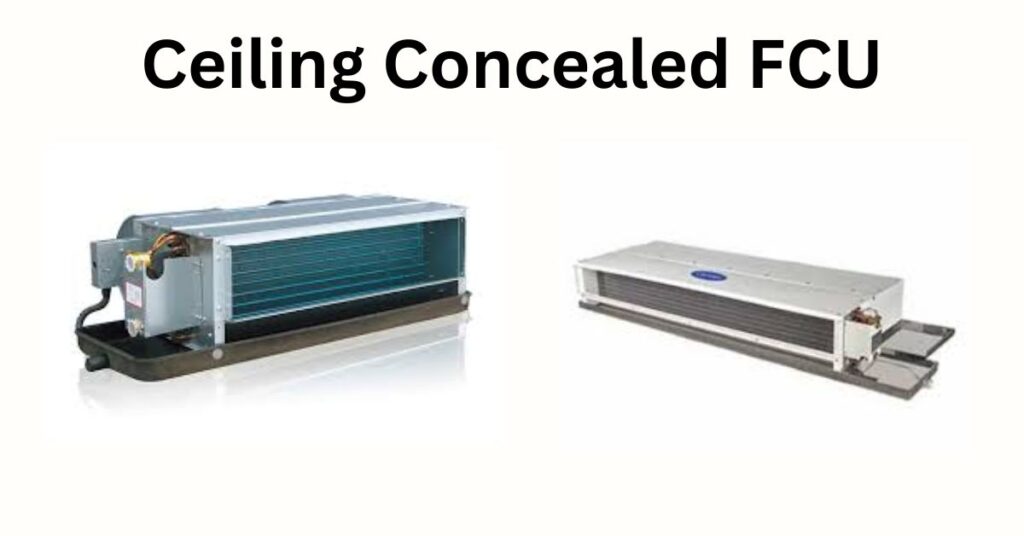
3. Ceiling Mounted FCU
Ceiling-mounted units are installed above the ceiling and are often concealed. They are preferred when floor space is limited.
Example from USA: In a New York condominium, ceiling concealed FCUs were used in bedrooms and living rooms. This saved space and provided quiet operation. Maintenance access panels were installed for easy filter and coil cleaning.
4. Floor Mounted FCU
Floor-mounted units are installed near walls or under windows. They are easy to access for maintenance and are suitable for rooms with low ceilings.
Example from UAE: In Abu Dhabi offices, floor-mounted FCUs were installed under large glass windows to prevent cold drafts in winter. This also helped in distributing heat evenly during heating mode.
5. Ducted vs Non-Ducted FCU
- Ducted FCUs supply air to multiple rooms via
ducts. They are used in larger spaces like conference rooms. - Non-ducted FCUs supply air directly into the
room and are common in hotels and small apartments.
In practice, building designers choose the FCU type based on room size, occupancy, aesthetics, and climate. In UAE and USA, ceiling concealed 4-pipe FCUs are often preferred in commercial and luxury residential buildings for flexibility and comfort
Common Fan Coil Unit Problems
Even though fan coil units are reliable, they can face issues over time if not maintained properly. Knowing the common problems helps in quick troubleshooting and ensures consistent comfort in buildings.
1. Not Cooling
A common complaint is when the FCU is running, but the room does not feel cool enough.
Causes:
- Chilled water not flowing due to closed valves or
pump failure - Dirty or blocked cooling coil
- Faulty thermostat
- Low refrigerant in the central chiller system
Example from UAE: In a Dubai hotel, guest rooms were not cooling properly because dust had accumulated on the coils. Cleaning the coils and checking water flow restored cooling within a few hours.
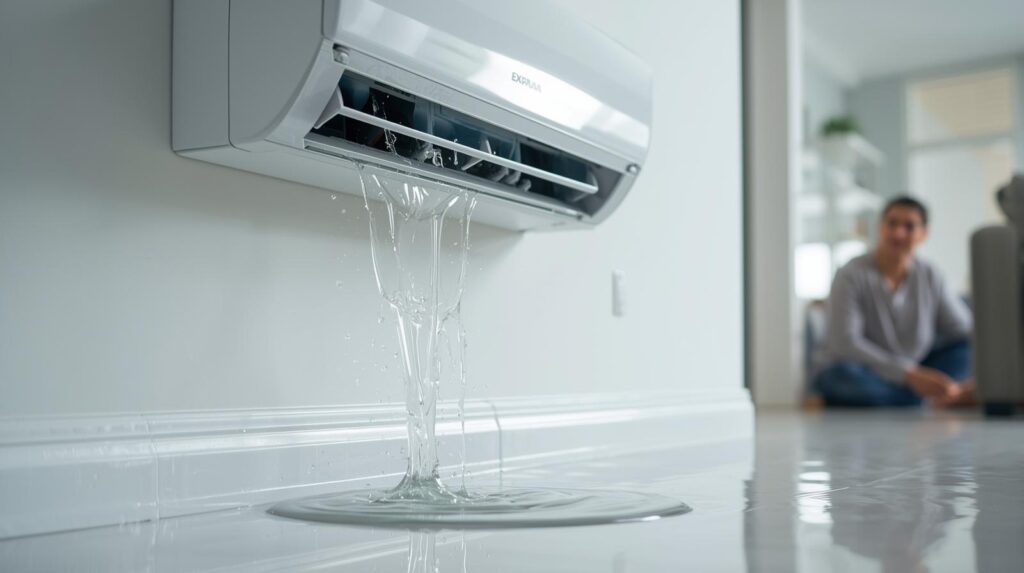
2. Water Leakage
Water dripping from the FCU can damage ceilings, walls, and floors.
Causes:
- Blocked drain pan or drain pipe
- Improper slope of the drain line
- Condensate overflow due to high humidity
Example from UAE: On an Abu Dhabi apartment project, we noticed water leakage because the drain pipe had a low slope. Repositioning the pipe and clearing blockages solved the problem immediately.
3. Noise Issue
Unusual noise from an FCU can disturb occupants and indicate mechanical problems.
Causes:
- Loose fan blades or motor
- Airflow obstruction
- Vibrations from installation
Example from UAE: In a Sharjah office building, a ceiling-mounted FCU was making loud humming sounds. Tightening the fan motor mounts and balancing the blades reduced the noise significantly.
4. Low Airflow
When the FCU fan is running but
the air circulation feels weak, comfort drops.
Causes:
- Clogged air filter
- Damaged or slow fan motor
- Obstructed air vents or ducts
Fan Coil Unit Maintenance Tips
Maintaining fan coil units properly is crucial, especially in the UAE where high temperatures, humidity, and desert dust can affect performance. Regular maintenance ensures efficient cooling, prolongs equipment life, and prevents common problems like water leakage and low airflow.
1. Filter Cleaning Frequency
The air filter removes dust and particles before air passes over the coil. In dusty environments like the UAE, filters can clog quickly.
Recommendation:
- Clean or replace filters every 2–3 weeks during peak
summer months. - Inspect filters monthly during cooler months.
Example from UAE site: In
a Dubai hotel, filters were cleaned weekly during the summer. This maintained
airflow and prevented coil clogging, keeping guest rooms cool and comfortable.
2. Coil Cleaning
Coils can accumulate dust, sand,
and other debris over time, reducing heat transfer efficiency.
Tips:
- Use a soft brush or vacuum to remove loose dust.
- For heavier buildup, use a mild coil cleaning
solution. - Check both cooling and heating coils in 4-pipe FCUs.
Example: On an Abu Dhabi
office project, dirty coils caused a 20% drop in cooling efficiency. Cleaning
the coils restored normal performance quickly.
3. Drain Flushing
Condensate water from the cooling
coil collects in the drain pan and flows through a drain pipe. In high humidity
or dusty conditions, blockages are common.
Maintenance:
- Inspect the drain pan and pipe monthly.
- Flush the drain line with water to remove sludge or
sand deposits. - Ensure proper slope to prevent overflow.
Example: In a Dubai
apartment tower, flushing blocked drain lines prevented water leakage onto
ceilings during the hottest months.
4. Desert Dust Issue
UAE’s desert climate introduces
fine sand particles into buildings, which can quickly clog filters, coils, and
fan motors.
Preventive Measures:
- Install high-quality pre-filters at building air
intakes. - Increase cleaning frequency during dust storms.
- Cover exposed units temporarily during extreme sand
storms if possible.
Field Example: On a Dubai
hotel site, adding pre-filters at the air intake reduced dust accumulation in
FCUs by nearly 50%, lowering maintenance effort and improving cooling
efficiency.
Regular maintenance following
these tips ensures that fan coil units perform reliably in the harsh UAE
environment. Proper cleaning and inspection not only improve comfort but also
extend the life of the equipment, saving time and cost in the long run.
Conclusion
Fan coil units are an essential
part of modern HVAC systems, providing efficient and reliable temperature
control for individual rooms or zones. By understanding how they work, their
main components, and the common issues that can arise, building owners,
facility managers, and technicians can ensure optimal performance.
In harsh climates like the UAE, regular
maintenance such as filter cleaning, coil inspection, and drain flushing is
critical to prevent problems caused by dust and heat. In the USA, energy
efficiency and proper installation play a major role in reducing operational
costs while maintaining comfort.