A comfortable home or building depends heavily on a well-functioning HVAC system, but common HVAC problems can still develop over time. Like any mechanical equipment, HVAC units experience wear and tear, especially when they run daily in changing weather conditions.
Common HVAC problems such as dirty filters, thermostat malfunctions, refrigerant leaks, and frozen coils can reduce system performance, increase energy bills, and even shorten the overall lifespan of the equipment.
Understanding these most common HVAC problems helps homeowners and technicians take timely action to maintain efficiency and ensure a comfortable indoor environment.
In this guide, we’ll break down the most common HVAC problems seen in 2025, explain what causes them, how to fix them, and, most importantly, how to prevent them. Whether you’re a technician, a student preparing for an HVAC job interview, or a homeowner trying to understand your system better, this article will help you tackle HVAC issues with confidence and keep your system running smoothly.
This article is perfect for:
- Homeowners who want to understand HVAC issues
- Technicians and supervisors
- Students preparing for HVAC jobs
- Facilities and maintenance managers
Let’s dive in.
Top 10 Common HVAC Problems
1 – Dirty or Clogged Air Filters
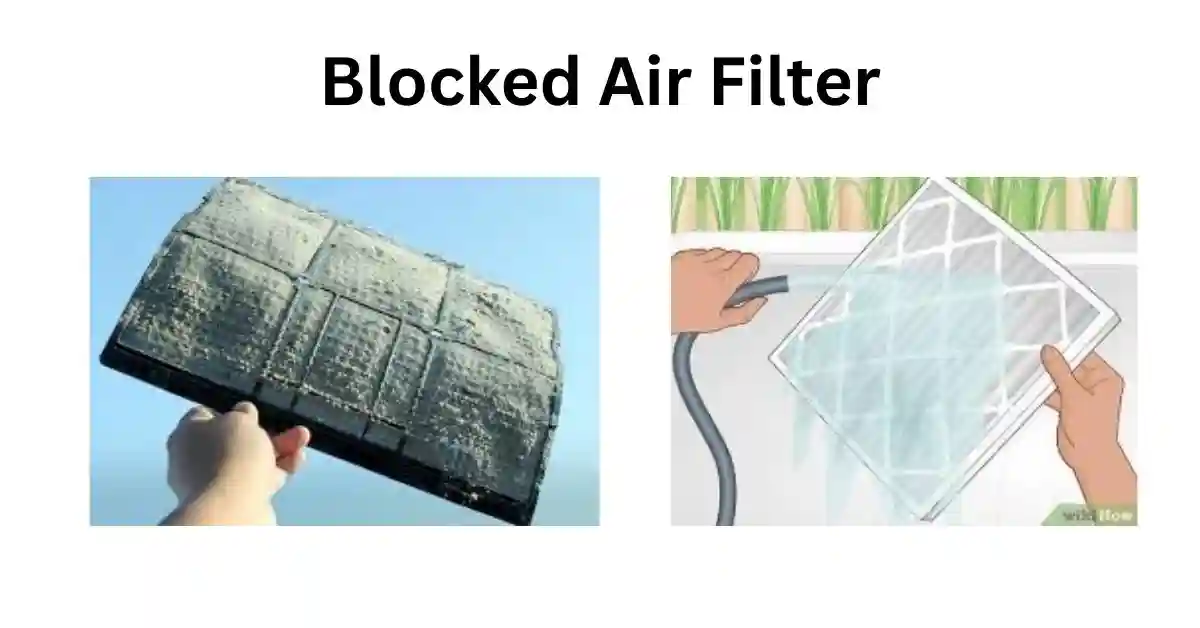
A dirty air filter is one of the simplest and most common HVAC problems. When the filter becomes clogged with dust and debris, it restricts airflow and makes your system work harder than it should. As a result, you may notice higher energy bills, weaker performance, and even reduced comfort in your home. Regularly checking and replacing the filter can help prevent this issue and keep your HVAC system running smoothly.
Why Do Air Filters Get Dirty or Clogged?
Symptoms
- Reduced airflow from vents
- Rooms taking longer to cool or heat
- Higher energy bills
- Dust building up quickly in the home
- HVAC system running longer and more frequently
- A burning or dusty smell when the system starts
- Possible icing on the evaporator coil
Causes
Dirty or clogged air filters usually happen because of:
- Long gaps between filter replacements
- Using low-quality filters
- Running the HVAC system continuously without maintenance
- Dust and debris from the environment
- Pollen and smoke particles
- Fabric fibers, hair, and pet dander
- Mold spores or bacteria in humid areas
Fix
Most homeowners can replace air filters themselves. High-efficiency pleated filters usually last 60–90 days, while cheaper fiberglass filters may require monthly replacement.
Prevention
You can solve or prevent this problem by:
- Checking filters every 30 days
- Replacing disposable filters every 1–3 months
- Cleaning reusable filters regularly
- Upgrading to better quality filters if you live in a dusty area
- Scheduling routine HVAC maintenance
2 – Thermostat Malfunctions
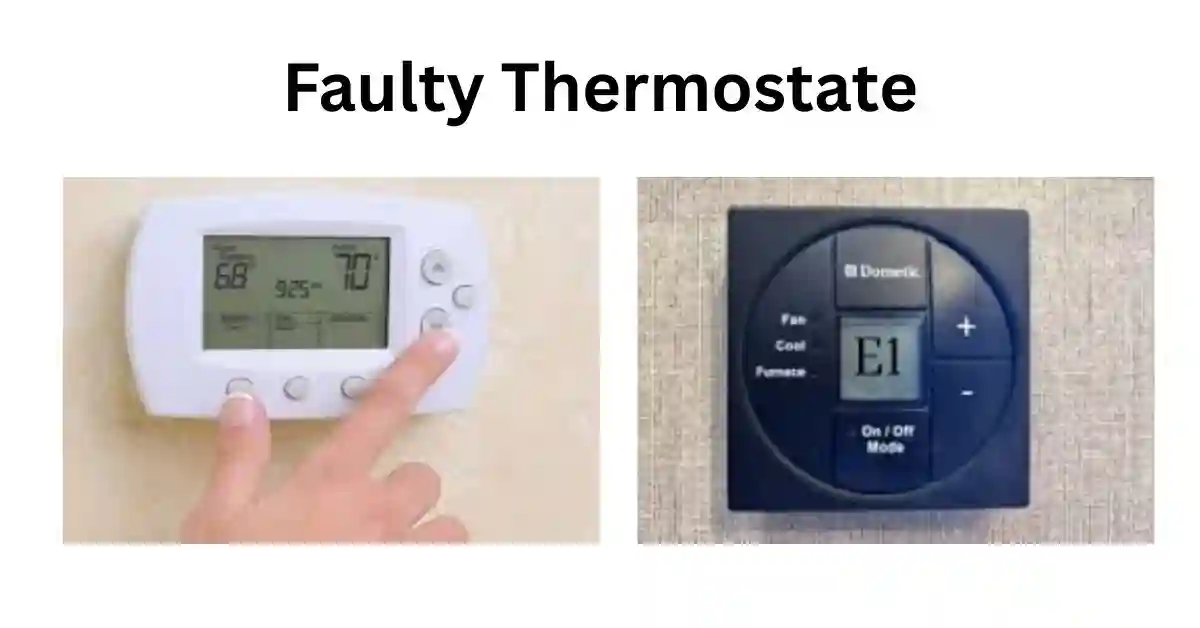
The thermostat controls when your HVAC system turns on and off. If it fails or becomes miscalibrated, the entire unit can behave unpredictably.
Symptoms
When a thermostat is not working properly, you may notice:
- HVAC system not turning on or off when it should
- Room temperature not matching the thermostat setting
- System short cycling (turning on and off quickly)
- Display showing wrong temperature or going blank
- Uneven cooling or heating in different rooms
Causes
Thermostat malfunctions can happen due to:
- Low or dead batteries
- Incorrect thermostat placement (like near heat sources or sunlight)
- Loose or damaged wiring
- Dust buildup or internal component failure
- Wrong thermostat settings or programming errors
- Outdated thermostat not compatible with the HVAC system
Fixes
To solve or prevent thermostat problems, you can:
- Replace batteries regularly
- Check and tighten thermostat wiring
- Clean dust from inside the thermostat
- Make sure the thermostat is installed in a suitable location
- Reset or reprogram settings if the schedule is incorrect
- Upgrade to a smart thermostat for better accuracy and control
A properly working thermostat helps the HVAC system run efficiently and keeps your indoor temperature comfortable without wasting energy.
3. Low or Leaking Refrigerant
Signs
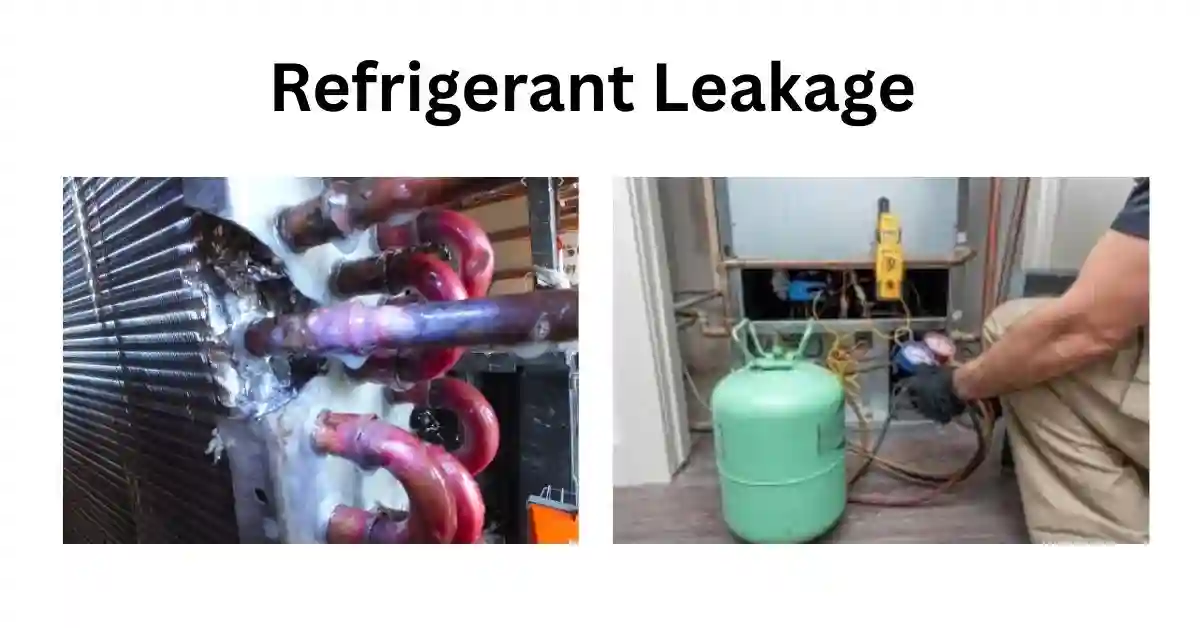
When refrigerant is low or leaking in an HVAC system, you may notice:
- AC not cooling properly
- Air coming from vents is not as cold as before
- System running longer but not reaching set temperature
- Higher electricity bills
- Hissing or bubbling sounds near refrigerant lines
- Ice forming on the evaporator coil or refrigerant pipes
- AC completely shutting down in severe cases
Causes
Low or leaking refrigerant usually happens because of:
- Wear and tear on the refrigerant lines
- Corrosion in the copper tubing
- Loose connections or damaged service valves
- Factory defects in coils or fittings
- Improper installation or poor maintenance
- Vibration over time causing small cracks or pinhole leaks
Fixes
To solve this problem, you can:
- Have a certified technician locate and repair the leak
- Refill the refrigerant to the correct level after fixing the leak
- Replace damaged coils, valves, or connections
- Check refrigerant levels during regular maintenance
- Make sure the system is serviced by trained professionals
Never just “top up” refrigerant without repairing the leak—doing so wastes energy, increases running costs, and can cause long-term damage to the HVAC system.
4. Frozen Evaporator Coils
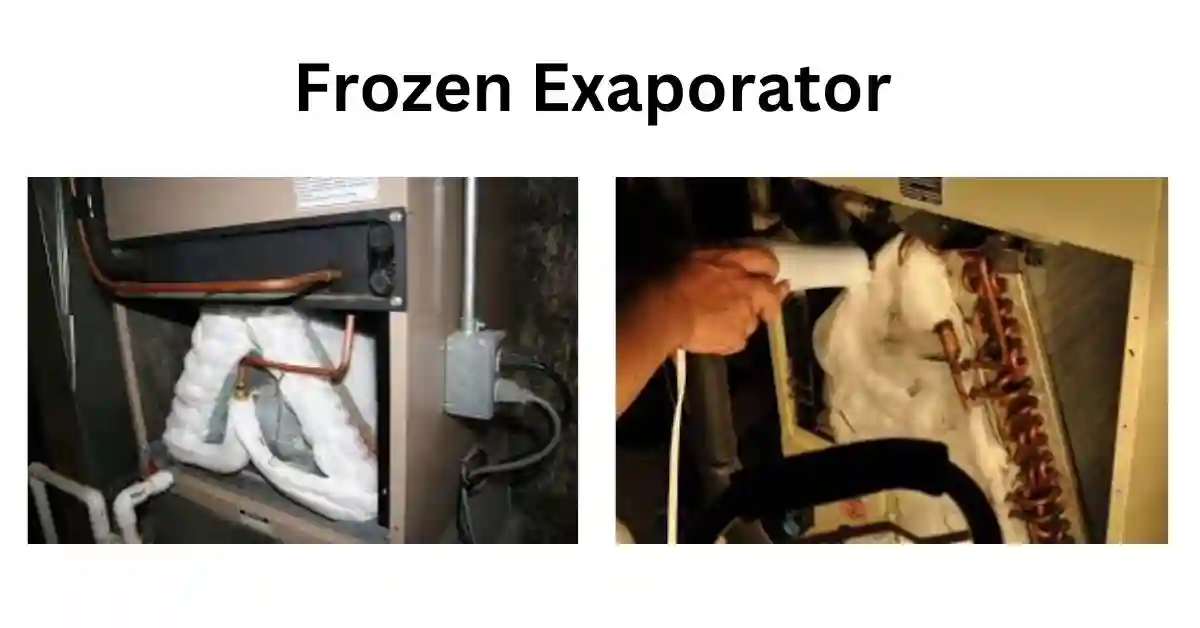
Evaporator coils require warm airflow to function. When airflow is restricted, ice forms and the system stops cooling.
Signs
When evaporator coils freeze, you may notice:
- Weak or reduced airflow from vents
- AC running but not cooling the room
- Ice or frost buildup on the indoor unit or refrigerant lines
- Water leaking when the ice melts
- Higher electricity bills due to longer run time
- HVAC system shutting down unexpectedly
Causes
Frozen evaporator coils can happen due to:
- Dirty or clogged air filters restricting airflow
- Low refrigerant levels caused by leaks
- Blocked or closed air supply vents
- Faulty blower or fan motor
- Poor airflow due to duct issues
- Thermostat set too low for long periods
- Dirty evaporator coil preventing heat transfer
Fixes
To solve or avoid this problem, you can:
- Turn off the system and let the ice melt completely
- Replace or clean air filters regularly
- Make sure all vents are open and unobstructed
- Get refrigerant checked and leaks repaired by a technician
- Clean the evaporator coil during routine maintenance
- Have the blower motor inspected if airflow is weak
When the coil is clean and airflow is normal, the system cools efficiently, runs smoothly, and avoids freeze-ups in the future.
5. Blower Motor and Fan Problems
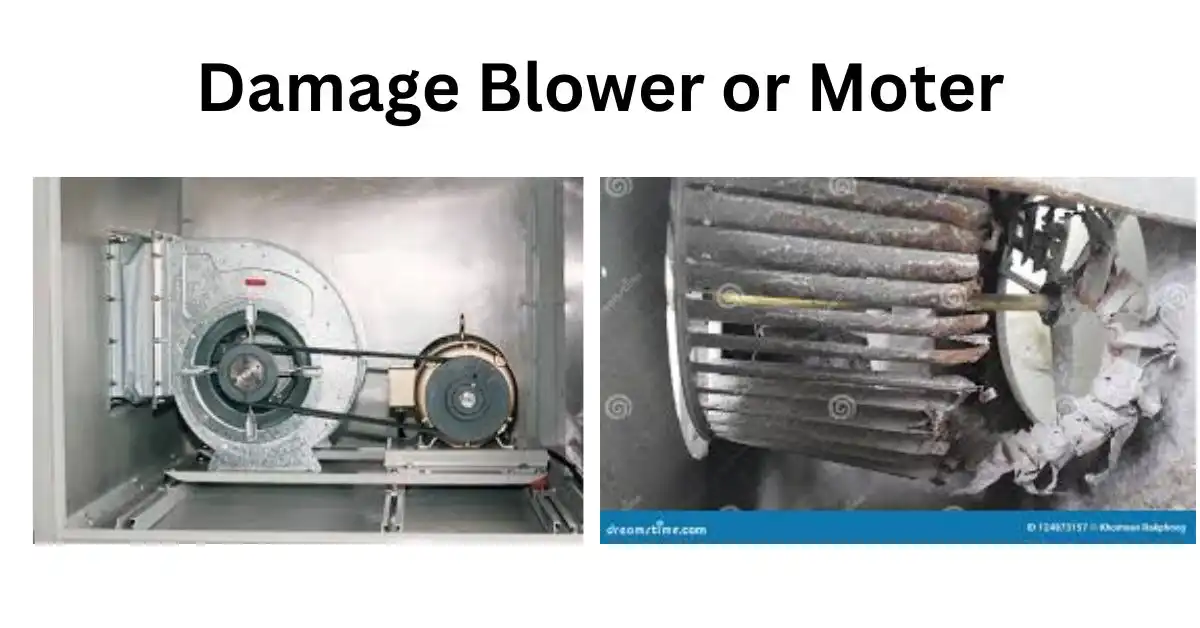
The blower motor moves air throughout the home. If it fails, the HVAC system cannot distribute conditioned air effectively.
Signs
When the blower motor or fan in the HVAC system has issues, you may notice:
- Weak or no airflow from vents
- HVAC system running but not cooling or heating effectively
- Strange noises like rattling, grinding, or squealing
- Burning smell or overheating
- System shutting down due to overload
- Higher energy bills because the system is struggling to move air
Causes
Blower motor and fan problems usually happen due to:
- Worn-out fan belts or bearings
- Dust buildup on the motor or fan blades
- Loose electrical connections
- Failed capacitor affecting motor start-up
- Motor overheating due to restricted airflow
- Lack of lubrication in older motors
- A blower motor reaching the end of its lifespan
Fixes
To solve or prevent blower motor and fan issues, you can:
- Clean dust and debris from fan blades and motor housing
- Check and replace worn belts or bearings
- Inspect electrical wiring and tighten loose connections
- Replace a faulty capacitor if the motor struggles to start
- Lubricate the motor if it is designed for oiling
- Improve airflow by cleaning filters and opening blocked vents
- Replace the blower motor if it is old or damaged beyond repair
A well-maintained blower motor helps the HVAC system circulate air efficiently, keeping rooms comfortable while reducing stress on other system components.
6. Clogged Condensate Drain Line
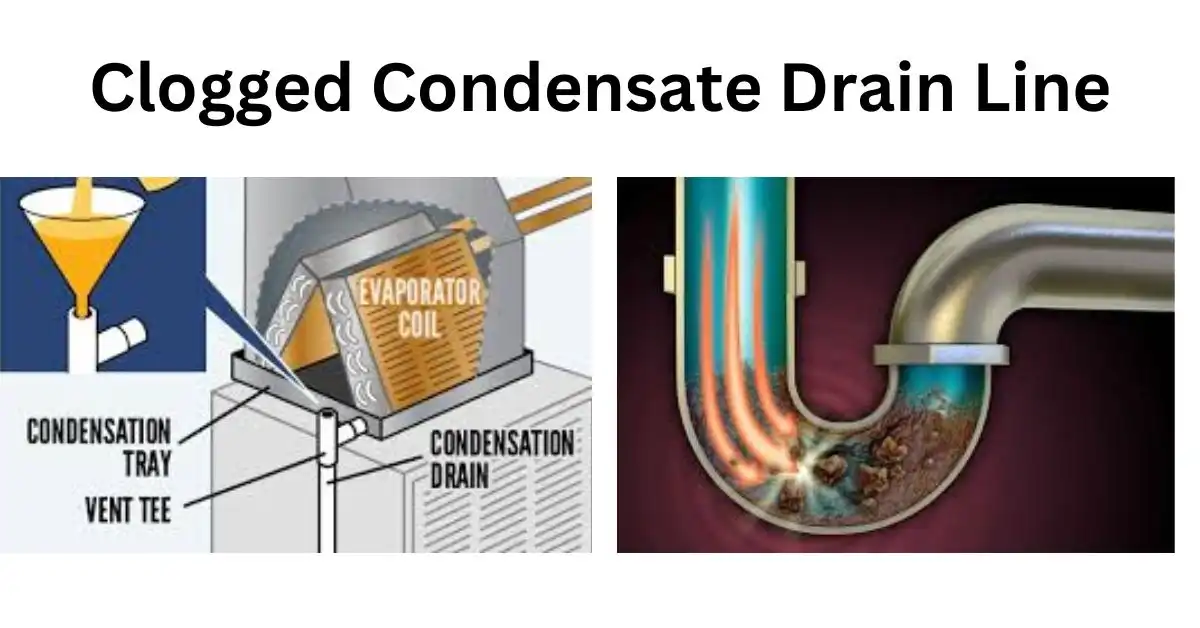
Air conditioners remove moisture from indoor air. This water drains through a condensate line. If the line becomes clogged with dirt or algae, water backs up into the unit.
Signs
- When the condensate drain line is clogged, you may notice:
- Water pooling around the indoor unit
- Water leaks near walls or ceilings
- Unpleasant musty or moldy odors
- HVAC system shutting off unexpectedly due to safety switch activation
- Reduced cooling efficiency
- Higher humidity inside the home
Causes
- Clogged condensate drain lines usually happen because of:
- Accumulation of dirt, dust, or debris
- Algae or mold growth inside the drain line
- Improper installation or poor slope of the drain line
- Long periods without maintenance
- Pets or small objects accidentally blocking the line
Fixes
- To solve or prevent a clogged condensate drain line, you can:
- Use a wet/dry vacuum to remove the clog from the drain line
- Flush the line with a mixture of water and mild bleach or vinegar to kill algae and mold
- Inspect and clear the drain pan regularly
- Ensure the line is properly sloped for gravity drainage
- Schedule regular HVAC maintenance to prevent future clogs
- A clean condensate drain line prevents water damage, keeps indoor humidity under control, and ensures your HVAC system runs safely and efficiently
7. HVAC Unit Not Turning On
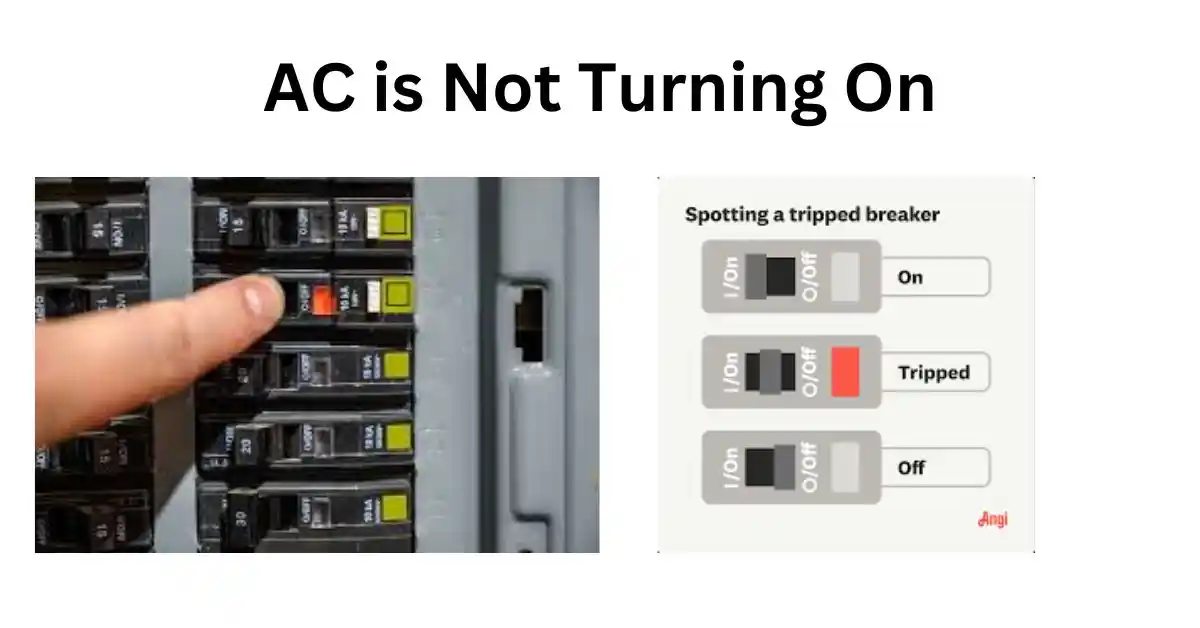
A system that refuses to start can feel alarming, but many causes are simple.
Common Causes
- Tripped circuit breaker
- Blown fuse
- Faulty contactor
- Loose wires
- Dead thermostat batteries
Quick Troubleshooting
- Check the power supply
- Reset tripped breakers
- Replace thermostat batteries
- Ensure the thermostat is set to heating or cooling mode
If still not working, an HVAC technician can diagnose electrical faults safely.
8. Uneven Cooling or Heating
A common complaint in large US homes is unfavorable temperature differences between rooms.
Causes
- Duct leakage
- Poor insulation
- Blocked registers
- Wrong HVAC sizing
- Damaged blower motor
Fix
- Seal duct leaks
- Remove blockages
- Add insulation
- Balance system airflow
- Install zoning system for large homes
9. Strange HVAC Noises
Unusual sounds coming from your HVAC system can be an early warning of problems. Ignoring these noises may lead to bigger issues and costly repairs. Different sounds usually indicate different types of problems, so it’s important to identify them early.
Common HVAC Noises and What They Mean:
- Banging or Clanking: Could mean loose or broken parts in the blower or motor.
- Squealing or Screeching: Often caused by a worn-out belt or motor issues.
- Rattling: Might indicate loose panels, ductwork, or debris in the system.
- Hissing or Whistling: Could be a refrigerant leak or air escaping from ducts.
- Clicking: Usually from a thermostat or relay trying to start the system repeatedly.
Regular maintenance can help prevent these noises and ensure your HVAC system runs quietly and efficiently.
10. Aging or Low-Efficiency System
The average HVAC system in the United States lasts 10–15 years. As systems age, efficiency drops, repair frequency increases, and components begin failing.
Signs It’s Time for Replacement
If your HVAC system is having frequent breakdowns, it can be both frustrating and costly. High electricity bills may also indicate that your system is working harder than it should. Poor air quality in your home can be another sign that the system isn’t running efficiently. Systems with an outdated SEER rating or those that are older than 12–15 years often struggle to provide reliable performance. In such cases, it might be time to consider an upgrade for better comfort and efficiency.Replacing the system may cost more upfront, but lower energy bills and fewer repairs often make it a better long-term investment.
Seasonal HVAC Problems in the US
Winter HVAC Issues
If your furnace is blowing cold air, it means it’s not heating properly. Sometimes, a heat pump outside can freeze, which stops it from warming your home. Other times, the pilot light or ignition might fail, so the furnace won’t turn on at all. A blocked vent or flue can also be dangerous because it traps harmful gases inside. Checking and maintaining your system regularly can help avoid these problems.
Summer HVAC Issues
Sometimes your AC may not cool your home properly, leaving rooms feeling warmer than they should. One common cause is frozen evaporator coils, which block the flow of cold air. High indoor humidity can also make your home feel warmer and uncomfortable, even if the AC is running. Another serious issue is compressor overheating, which can reduce cooling efficiency and, if not addressed, may lead to system breakdowns. Regular maintenance can help prevent these problems and keep your AC running smoothly.Seasonal tune-ups can prevent most of these problems.
Before calling a technician, there are some safe steps homeowners can take to check their HVAC system. These basic checks can often solve minor issues and save time and money.
- Check Thermostat Settings
- Make sure your thermostat is set to the correct mode (cooling or heating) and temperature.
- Sometimes the system doesn’t work simply because the thermostat is on the wrong setting.
- Replace or Clean Air Filters
- Dirty filters block airflow and reduce efficiency.
- About 80% of airflow problems are caused by clogged filters. Regularly replacing or cleaning them can improve performance.
- Inspect Circuit Breakers
- Check your home’s circuit breakers to see if any have tripped.
- Resetting a tripped breaker may restore power to your HVAC system.
- Examine Air Vents
- Ensure that all air vents are fully open and nothing is blocking them.
- Closed or blocked vents reduce airflow and make some rooms uncomfortable.
- Look for Leaking Water
- Water leaks around your system can indicate a clogged drain or evaporator coil issues.
- Addressing leaks early can prevent water damage and larger system problems.
- Check the Outdoor Unit
- Remove leaves, dirt, or snow from the condenser unit outside.
- A clean outdoor unit allows proper airflow and efficient system operation.
Typical Cost Comparison
- Average repair cost: $200–$900
- Full system replacement: $6,000–$12,000
Though replacement is expensive, newer systems are 20–40% more efficient and cheaper to maintain.
Preventive Maintenance Tips for HVAC Systems
Regular maintenance is the best way to prevent costly repairs and keep your HVAC system running efficiently. Both homeowners and professionals play a role in maintenance.
Homeowner Maintenance:
- Change filters every 1–3 months – keeps airflow smooth and improves air quality.
- Clean return and supply vents – ensures proper circulation in every room.
- Keep the outdoor condenser free from debris – removes leaves, dirt, or snow that block airflow.
- Maintain 2–3 feet of clearance around outdoor units – prevents obstruction and allows efficient operation.
Professional Maintenance:
- Spring: before the summer cooling load.
- Fall: before the winter heating demand.
During professional maintenance, technicians will:
- Check refrigerant levels.
- Clean evaporator and condenser coils.
- Inspect electrical contacts for safety.
- Lubricate motors for smooth operation.
- Test thermostat calibration.
- Check for air leaks in ducts.
Benefits:
Regular maintenance increases the life of your system, improves performance, and reduces electricity bills
FAQ – Common HVAC Questions
How often should I replace my HVAC filters?
Every 30–90 days, depending on:
- Filter type
- Indoor air quality
- Pets, smoking, and environment
Why is my AC running but not cooling?
Common causes:
- Dirty air filter
- Low refrigerant
- Frozen evaporator coil
- Blocked return vents
- Failing compressor
Can I troubleshoot HVAC problems myself?
Simple issues like filter replacement, thermostat checks, and breaker resets are DIY safe.
Refrigerant, electrical repairs, and motor failures should always be handled by certified technicians.
Conclusion
HVAC systems are essential for comfort and indoor air quality. Most common problems—such as dirty filters, low refrigerant, clogged drains, or thermostat failures—can be prevented through regular maintenance and timely repairs.
Understanding the signs early:
- Reduces downtime
- Prevents breakdowns
- Extends equipment life
- Improves energy efficiency
Whether you’re a homeowner or an HVAC technician, staying proactive with maintenance saves money, time, and stress in the long run.